

Office Fit-Out and Furniture: Everything You Need to Know

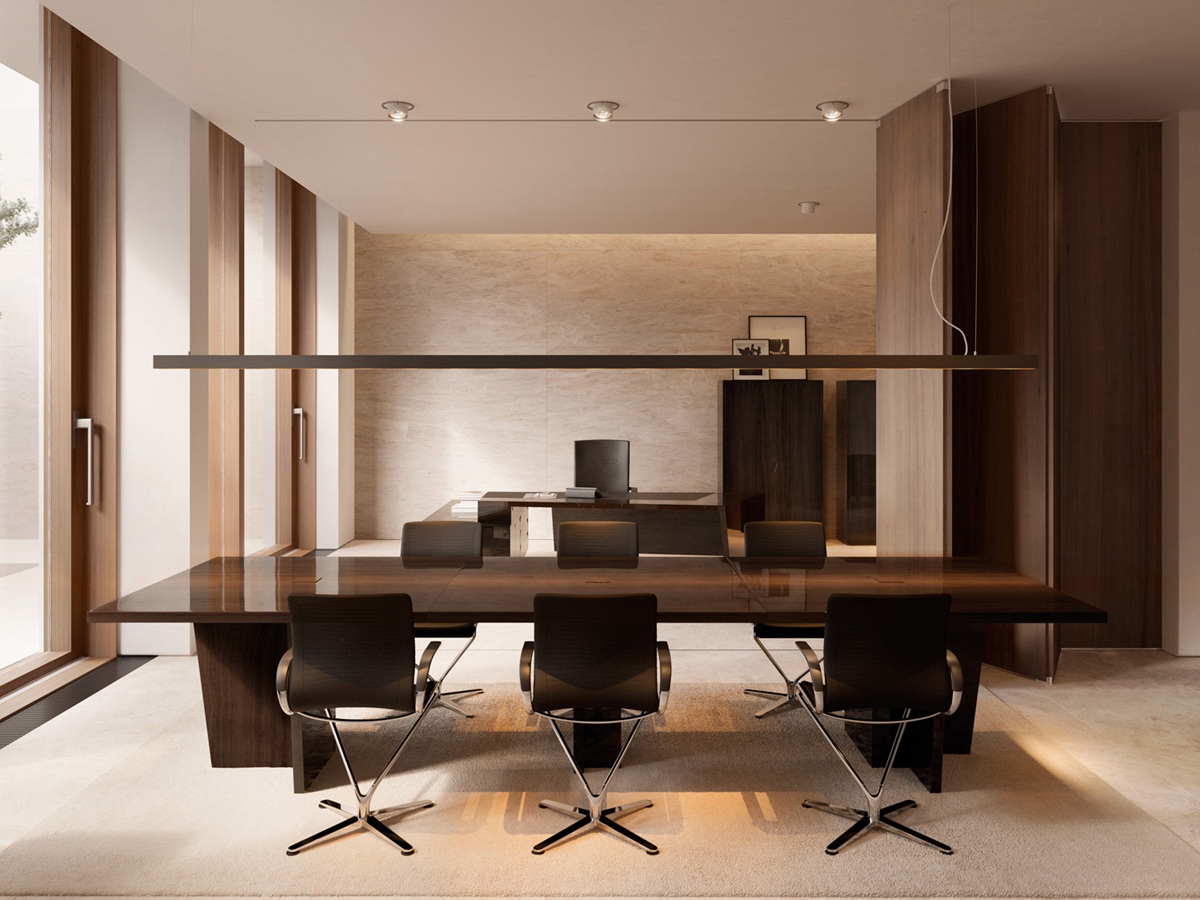
Setting up a new workplace involves much more than choosing desks and chairs. A successful office fit-out brings together space planning, interior design, furniture selection, functionality, technology, and employee comfort to create a workspace that supports your business.
Whether you are moving into a new office, expanding your existing workplace, or renovating an outdated space, understanding the relationship between office fit-out and furniture is essential. The right decisions can improve productivity, strengthen your brand image, maximise available space, and create a better experience for employees and visitors.
This guide covers everything you need to know about office fit-out and furniture in Dubai, helping you plan a functional, modern, and future-ready workspace.
What Is an Office Fit-Out?
An office fit-out is the process of transforming an empty or existing commercial space into a fully functional workplace. Depending on the project, this may include interior partitions, flooring, ceilings, lighting, electrical systems, meeting rooms, workstations, storage, and office furniture.
The goal is to create a workspace that meets the operational needs of the business while providing a comfortable and professional environment.
A complete office fit-out may include:
- Space planning and layout design
- Partition systems
- Flooring and ceiling solutions
- Lighting design
- Electrical and data infrastructure
- Meeting rooms
- Reception areas
- Office workstations
- Executive furniture
- Storage solutions
- Breakout and collaboration areas
Why Office Furniture Is an Important Part of a Fit-Out
Office furniture is one of the most visible and frequently used elements of any workplace. While the fit-out creates the structure of the space, furniture determines how people interact with it every day.
The right office furniture can:
- Improve employee comfort and productivity
- Support better workplace ergonomics
- Make efficient use of available space
- Create a professional impression
- Encourage collaboration
- Reflect your company’s brand identity
- Support future business growth
For this reason, office furniture should be considered during the early planning stages of an office fit-out rather than being treated as an afterthought.
Step 1: Define Your Office Requirements
Before starting an office fit-out project, identify exactly how your business operates and what your employees need from the workspace.
Consider questions such as:
- How many employees will use the office?
- How many employees are expected in the future?
- Do teams require open workstations or private offices?
- How many meeting rooms are needed?
- Do you regularly welcome clients and visitors?
- Will employees work in a hybrid model?
- Do you require specialised spaces?
Understanding these requirements helps create an office layout that supports your business today while remaining flexible for future growth.
Step 2: Create an Efficient Office Layout
An effective office layout is the foundation of a successful fit-out. The layout should balance productivity, privacy, collaboration, and comfort.
Open-Plan Workspaces
Open-plan offices are popular with startups and collaborative businesses. They make efficient use of available space and encourage communication between teams.
Private Offices
Private offices are suitable for executives, managers, confidential departments, and employees who require focused working environments.
Meeting and Conference Rooms
Meeting spaces should be designed around how your business collaborates. Consider the number of people using the room, presentation requirements, technology, and furniture layout.
Breakout Areas
Informal spaces provide employees with areas to relax, socialise, and collaborate away from their desks.
A balanced office often combines all of these spaces to support different working styles.
Step 3: Choose the Right Office Furniture
Once the layout is established, you can select furniture that supports each area of the office.
Office Workstations
Workstations should provide employees with sufficient space while supporting an organised workflow.
Popular options include:
- Bench desks
- Modular workstations
- Individual desks
- Collaborative worktables
- Height-adjustable desks
Office Chairs
Office chairs are one of the most important investments in any workplace. Employees spend long hours seated, making ergonomic support essential.
Look for features such as:
- Adjustable seat height
- Lumbar support
- Adjustable armrests
- Breathable materials
- Comfortable cushioning
- Durable commercial construction
Executive Furniture
Executive offices require furniture that combines functionality with a strong professional presence.
Typical executive furniture includes:
- Executive desks
- Executive chairs
- Storage cabinets
- Credenzas
- Bookshelves
- Small meeting tables
Reception Furniture
The reception area is often the first space clients see. A well-designed reception should communicate your brand and create a welcoming experience.
Consider:
- A professionally designed reception desk
- Comfortable visitor seating
- Coffee tables
- Integrated storage
- Branding elements
Step 4: Prioritise Ergonomics and Employee Wellbeing
Modern office design increasingly focuses on employee wellbeing. Ergonomic office furniture can improve comfort and support better working habits throughout the day.
Consider incorporating:
- Ergonomic office chairs
- Height-adjustable desks
- Monitor arms
- Comfortable collaboration seating
- Acoustic solutions
- Breakout areas
Employee wellbeing should not be considered an optional feature. A comfortable workplace can support productivity, employee satisfaction, and long-term retention.
Step 5: Select Durable and Practical Materials
Commercial office furniture experiences regular use. Choosing high-quality materials can reduce maintenance requirements and improve the lifespan of your investment.
Popular materials for modern office furniture include:
- Premium laminate surfaces
- Natural wood and veneers
- Powder-coated metal frames
- Scratch-resistant tabletops
- Commercial-grade upholstery
- Acoustic fabric panels
The materials you choose should complement your design concept while being suitable for the level of daily use within your office.
Step 6: Consider Technology Integration
A modern office needs furniture that supports technology. Planning for technology during the fit-out stage helps prevent visible cables and unnecessary modifications later.
Consider:
- Integrated cable management
- Power outlets within workstations
- USB charging points
- Meeting room connectivity
- AV-friendly conference tables
- Flexible technology zones
Integrating technology with furniture creates a cleaner and more efficient workspace.
Step 7: Plan Storage Carefully
Insufficient storage can quickly create a cluttered workplace. Storage requirements should be considered for each department before furniture is selected.
Useful office storage solutions include:
- Mobile pedestals
- Filing cabinets
- Lockable cabinets
- Wall storage
- Open shelving
- Integrated workstation storage
A well-organised office improves efficiency while maintaining a clean and professional appearance.
Step 8: Create Flexible and Future-Ready Workspaces
Businesses change, and office furniture should be able to adapt. Flexible furniture solutions allow companies to reconfigure spaces as teams grow or working styles evolve.
Look for:
- Modular office furniture
- Movable workstations
- Flexible meeting tables
- Mobile storage
- Reconfigurable seating
- Multi-purpose furniture
Future-ready furniture can reduce the need for major replacements when your business expands.
Office Fit-Out Trends in Dubai
Dubai businesses continue to embrace workplace designs that combine luxury, functionality, technology, and employee wellbeing.
Popular office fit-out and furniture trends include:
- Flexible and hybrid workspaces
- Modular office furniture
- Ergonomic workstations
- Height-adjustable desks
- Acoustic privacy solutions
- Collaborative breakout spaces
- Sustainable materials
- Custom office furniture
- Biophilic design elements
- Technology-integrated furniture
These trends reflect the growing demand for offices that support productivity while creating a more enjoyable employee experience.
How to Budget for an Office Fit-Out and Furniture
Your office fit-out budget will depend on several factors, including the size of the space, the condition of the property, the quality of materials, and the level of customisation required.
Major budget considerations include:
- Space planning and design
- Construction and partition work
- Flooring and ceilings
- Electrical and lighting
- Office furniture
- Technology integration
- Custom-made furniture
- Delivery and installation
Creating a clear budget early in the planning process helps prioritise essential investments and avoid unexpected costs.
Common Office Fit-Out Mistakes to Avoid
Many businesses make costly mistakes by rushing the planning and furniture selection process.
Common mistakes include:
- Choosing furniture before finalising the layout
- Overcrowding the office
- Ignoring ergonomic requirements
- Buying low-quality furniture for high-use areas
- Not planning for future growth
- Overlooking storage requirements
- Ignoring cable management
- Creating too few meeting spaces
- Choosing furniture based only on appearance
Working with experienced office furniture and design professionals can help prevent these problems before installation begins.
Why Work with The Seed Studio?
At The Seed Studio, we understand that every business has different workspace requirements. A successful office is not simply about selecting attractive furniture. It is about creating an environment that supports your employees, represents your brand, and functions efficiently every day.
Our office furniture solutions combine contemporary design, quality materials, and practical functionality. From executive offices and workstations to meeting rooms, reception areas, and collaborative spaces, we help businesses create workplaces tailored to their requirements.
Whether you are furnishing a new office or upgrading an existing workspace, our team can help you select office furniture that complements your space and supports the way your business works.
Frequently Asked Questions About Office Fit-Out and Furniture
What is included in an office fit-out?
An office fit-out can include space planning, partitions, flooring, ceilings, lighting, electrical work, meeting rooms, workstations, storage, and office furniture. The scope depends on the specific project and condition of the office space.
When should office furniture be selected during a fit-out?
Office furniture should be considered during the early planning stage. This ensures the layout, power requirements, circulation space, and storage solutions work correctly with the selected furniture.
What is the most important office furniture to invest in?
Ergonomic office chairs and quality workstations are among the most important investments because employees use them throughout the working day. Reception and meeting room furniture are also important for client-facing businesses.
Should I choose modular office furniture?
Modular office furniture is a practical option for businesses that expect to grow or reconfigure their workspace. It provides flexibility and can often be adapted to changing requirements.
Is custom office furniture worth it?
Custom office furniture can be valuable for businesses with unusual layouts, specific storage requirements, or strong branding needs. Bespoke furniture can also help maximise the use of available space.
Final Thoughts
An office fit-out and furniture project is an opportunity to create a workplace that supports your business for years to come. From space planning and ergonomic furniture to technology integration and future flexibility, every decision contributes to how effectively your office functions.
By planning carefully, investing in quality office furniture, and choosing solutions that support both employees and business growth, you can create a workspace that is functional, professional, and ready for the future.
Whether you are setting up a new office in Dubai or upgrading an existing workplace, The Seed Studio can help you find office furniture solutions that combine thoughtful design, comfort, quality, and functionality.